
Elbasan Hammam-Immersive Museum

| Title | Memory, Function, and Space
Adaptive Reuse as a Strategy for Reintegrating Ottoman Heritage in Albania |
| Category | Architecture – Renewal |
| Typology | Cultural |
| Studio | PLEM Visual Tales – Daha |
| Architect | Brunilda Basha, Erika Ruiz |
| Location | Elbasan |
| Status | Project Idea |
| Tags | Gallery – Museum |
| Youtube | Elbasan Hammam Museum |
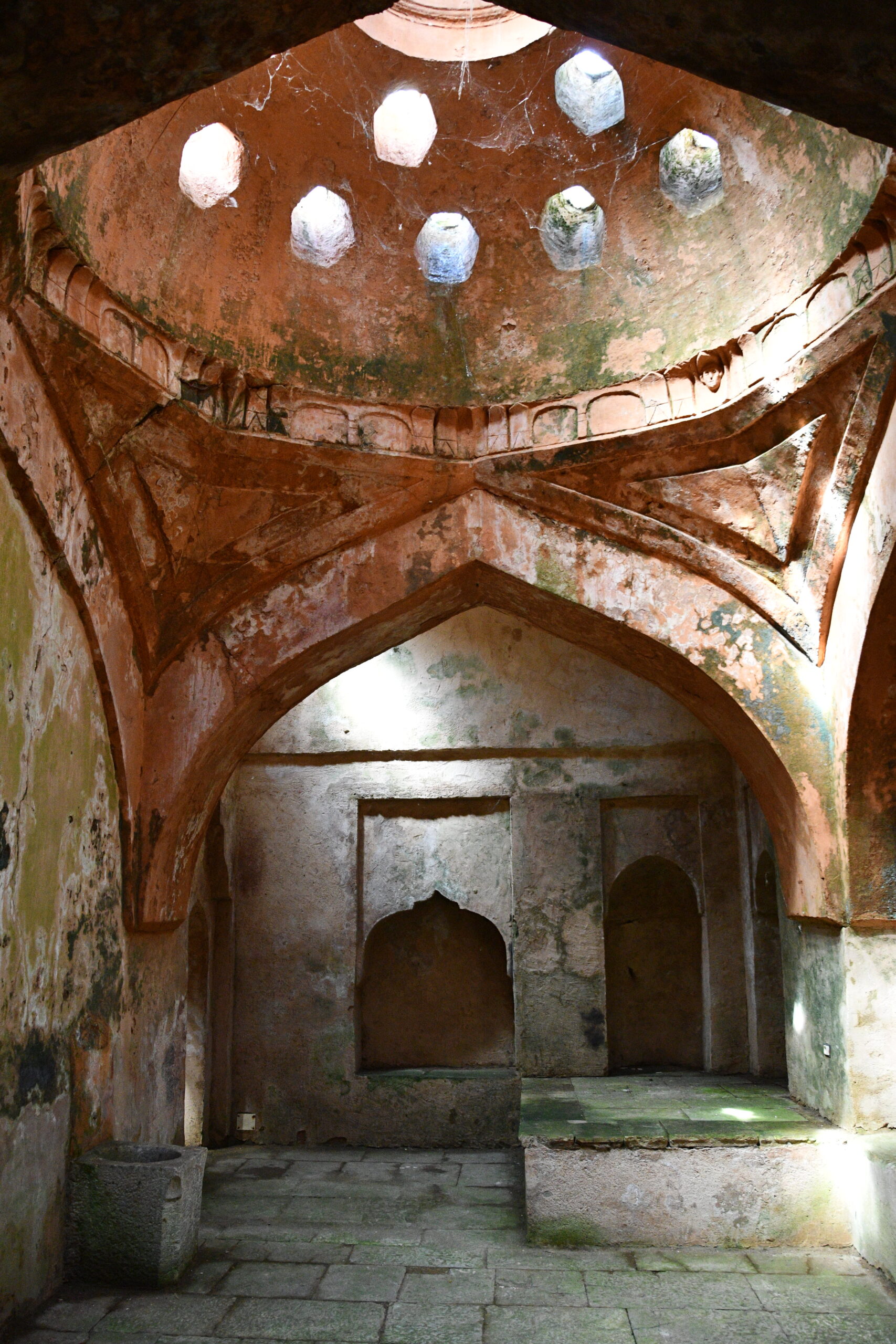
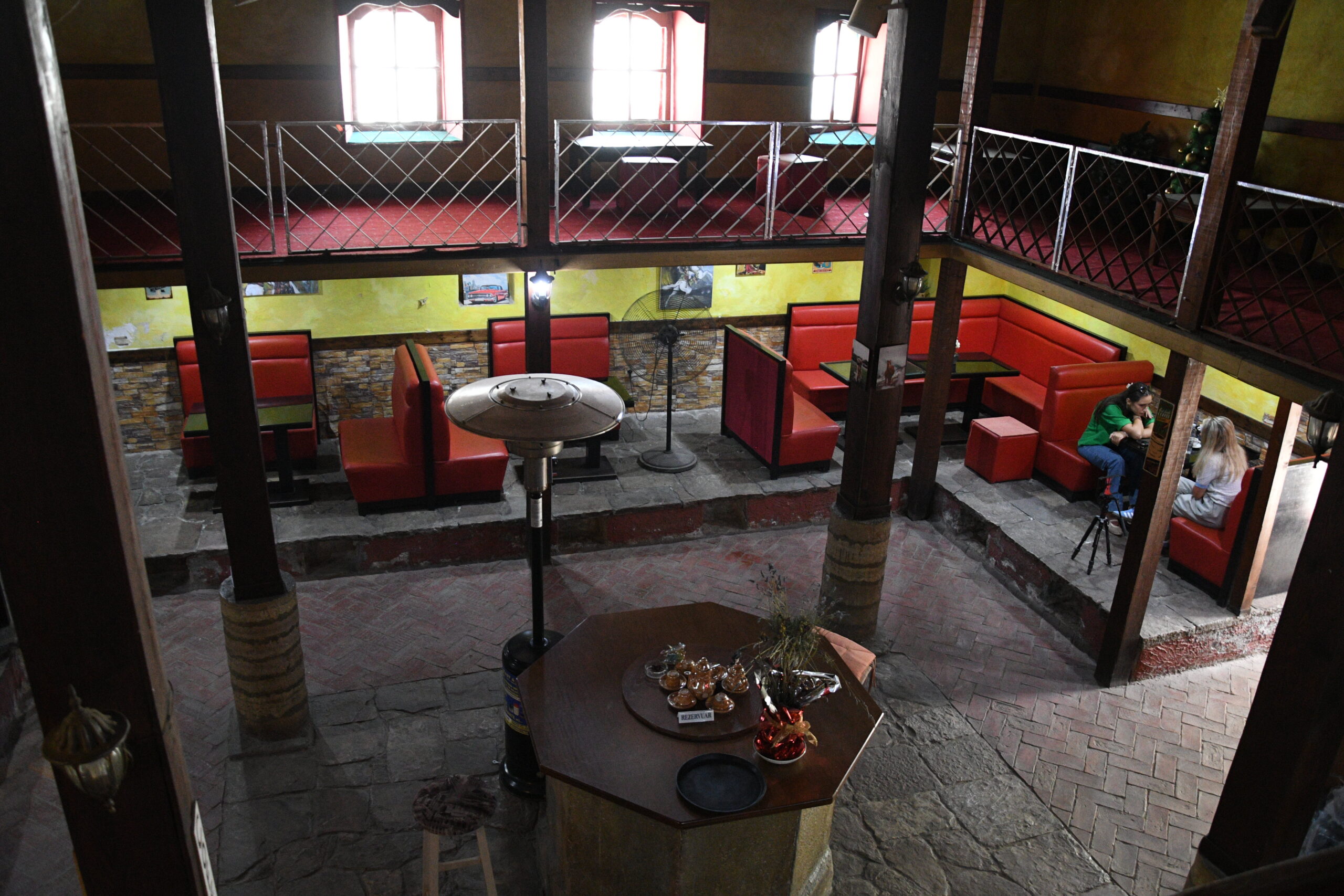
This study explores the potential of adaptive reuse as a premier strategy for the reutilization of forgotten historic buildings, with a particular case study of the Bazaar Hammam – a 15th-century Ottoman bathhouse landmark in Elbasan city, Albania. The Hammam now stands in a situation of partial abandonment and partial use, reflective of the wider issue of the conservation of Ottoman architectural heritage in the Albanian situation, in which many such buildings are frequently neglected, undervalued, or under threat of deterioration. Based on data gathered in an earlier investigation of public opinion, the paper formulates a proposal to reinterpret the Hammam as a flexible historical, cultural and social venue. The concept of the intervention proposes a function of the hammam, not simply as a historical monument, but as an active space, which has contemporary significance and responds to several functions, such as a gallery, museum and a place where it can accommodate artistic and educational events, as well as areas designed for other interactions and community gatherings. This strategy brings the concept of adaptive reuse, beyond the traditional position of preserving the past. This approach comes as an act of poiesis, a new action that is interested in interpreting the past depending on the necessary context of the present. Through historical spatial analysis, context-study design, and comprehensive community engagement, this project illustrates how adaptive reuse can reconstruct historical narratives, strengthen cultural identity, and engage in inclusive urban renewal. The case of the Elbasan Bazaar Hammam can be used as a good example for the revival of heritage buildings, in a holistic and inclusive aspect for society.
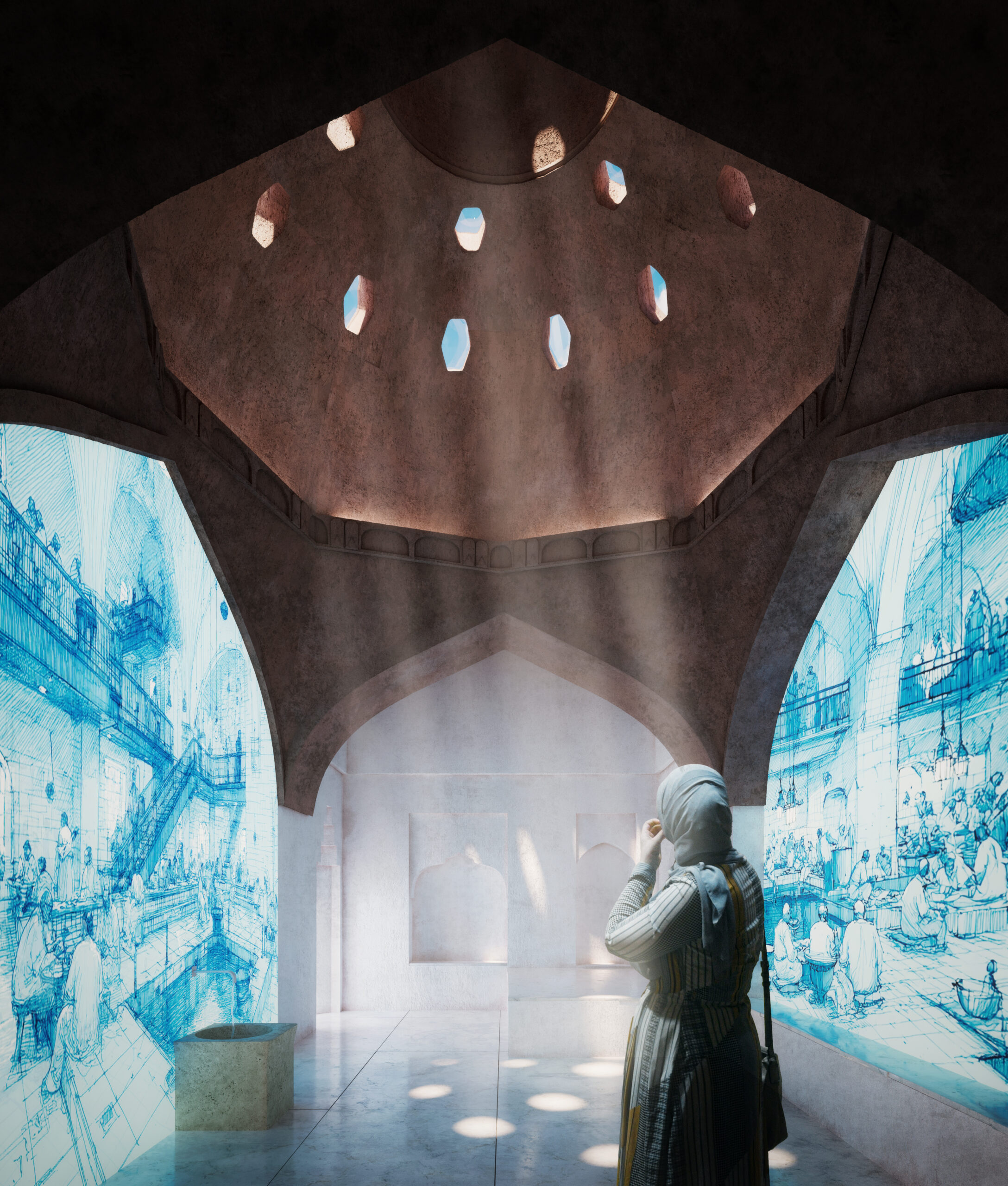
The design concept is centered on the triadic relationship between memory, function, and space, where each component interacts to create a cohesive experience. Memory connects the proposal in Elbasan’s historical continuity, preserving the Hammam ’s identity as a civic and social landmark. Function transforms the space into a cultural and interactive museum, introducing exhibition areas, immersive installations, and community gathering zones. Space maintains the original spatial logic of the Ottoman bath, the transition from cold to warm and hot rooms, but adapts these zones into layers of experiences that communicate rituals, flows, and transformations.
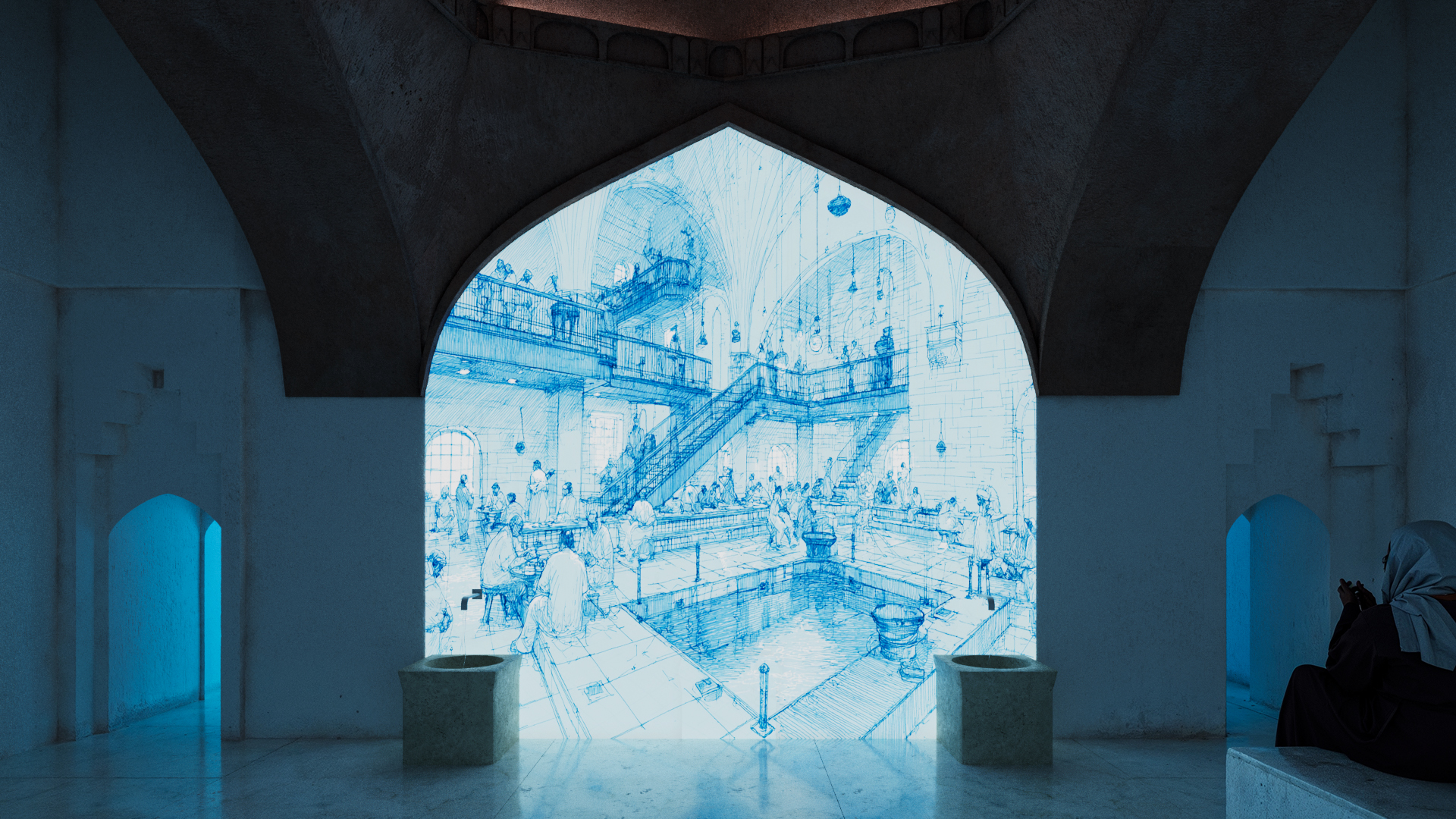
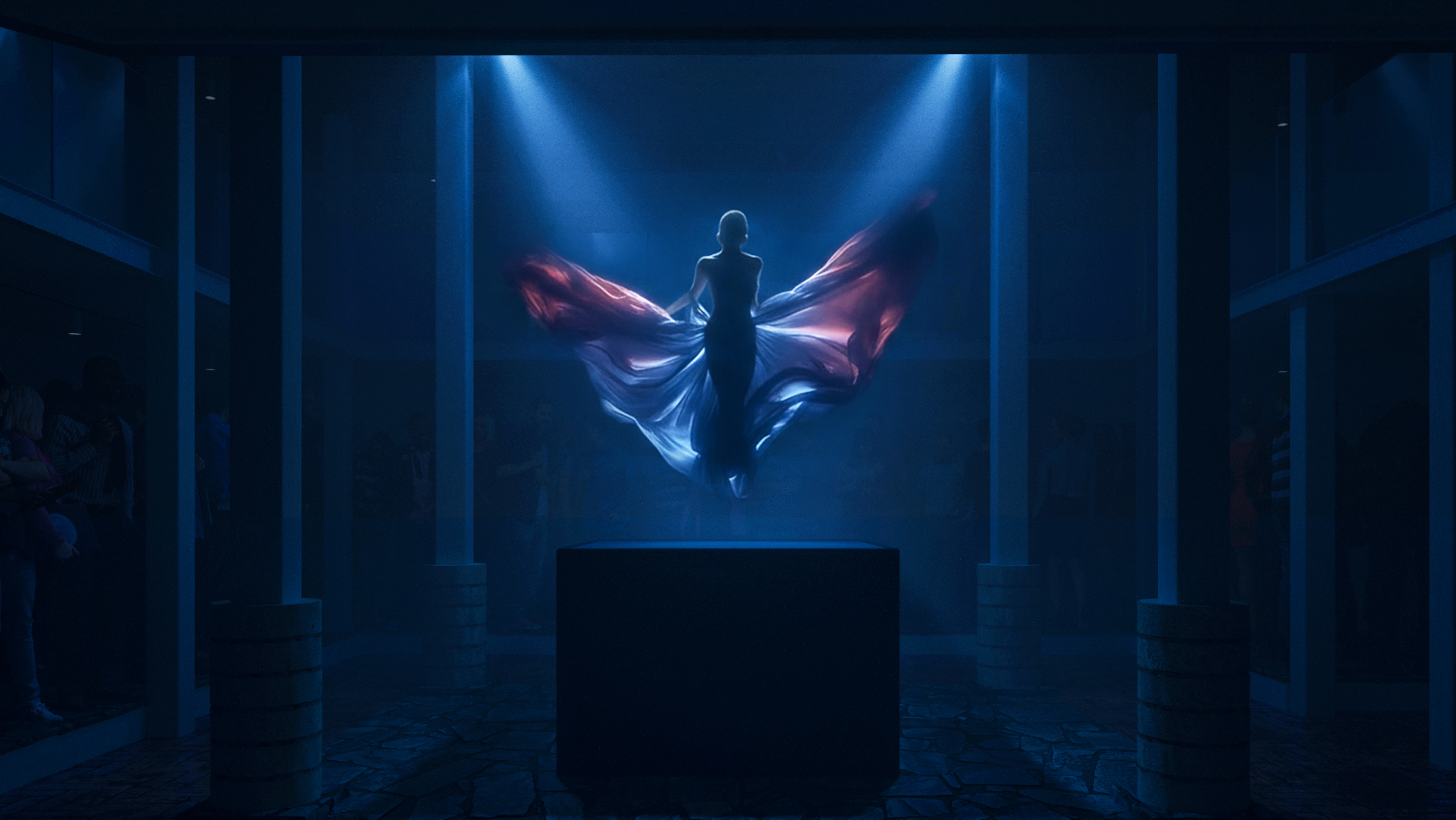
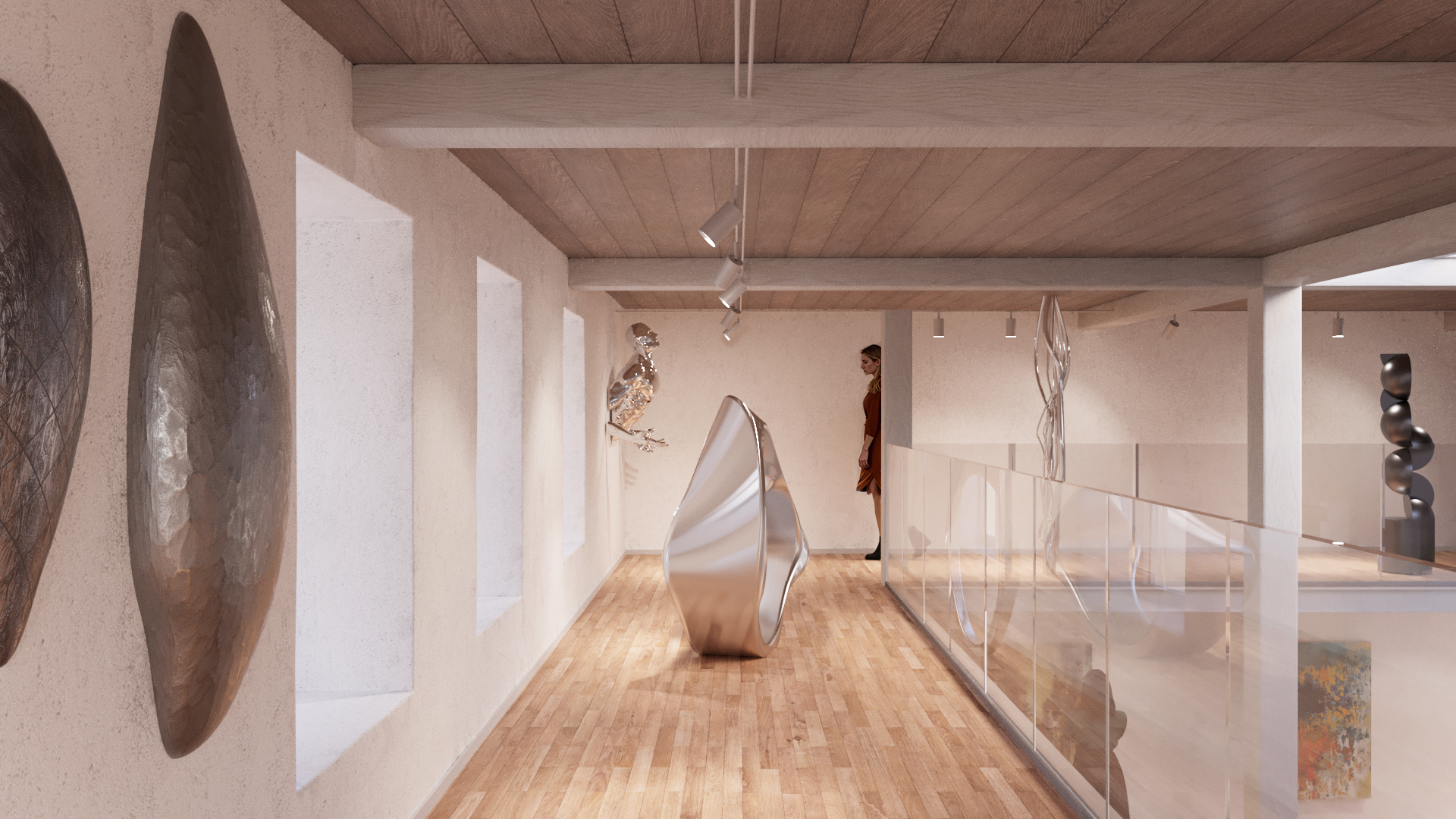
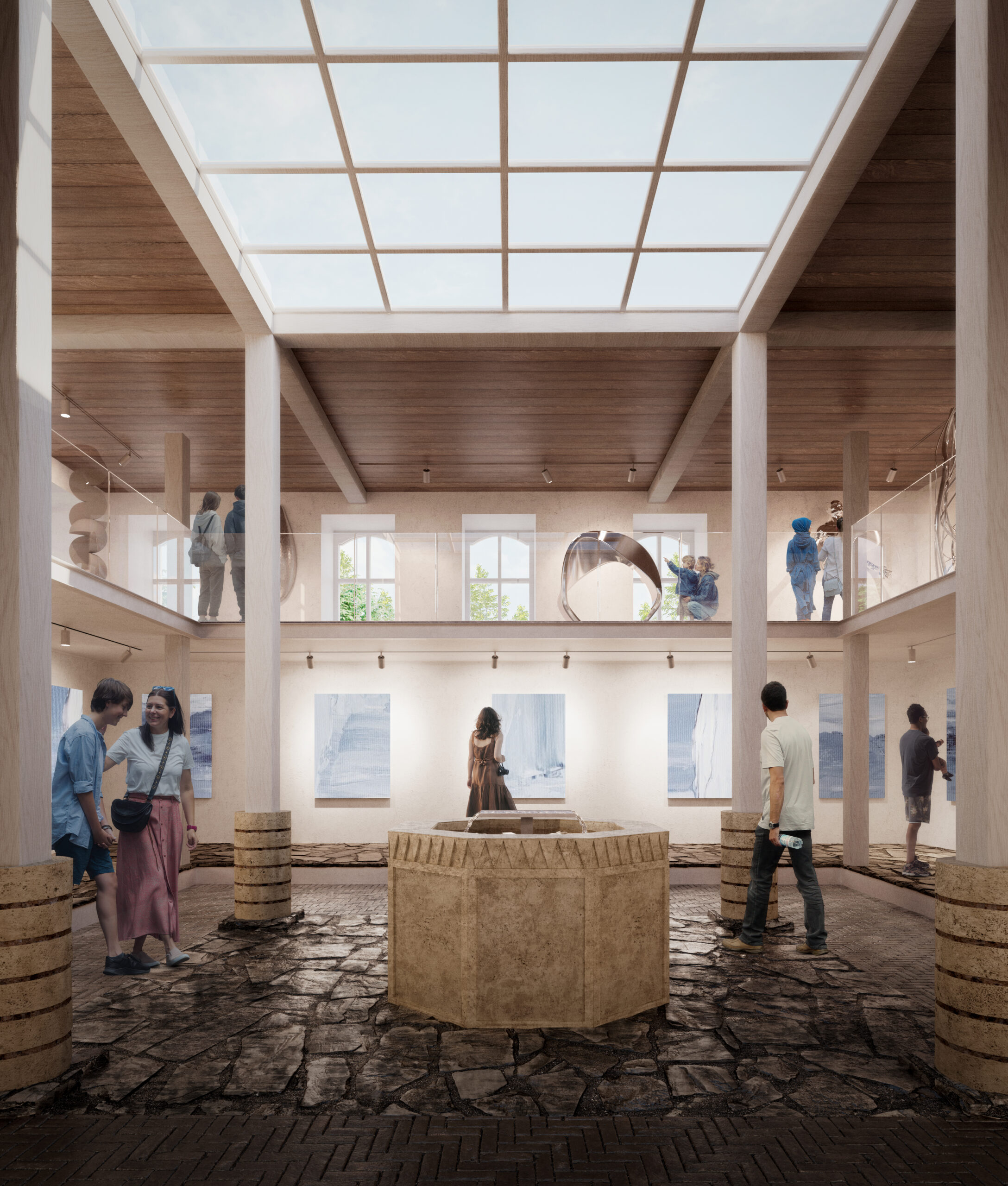
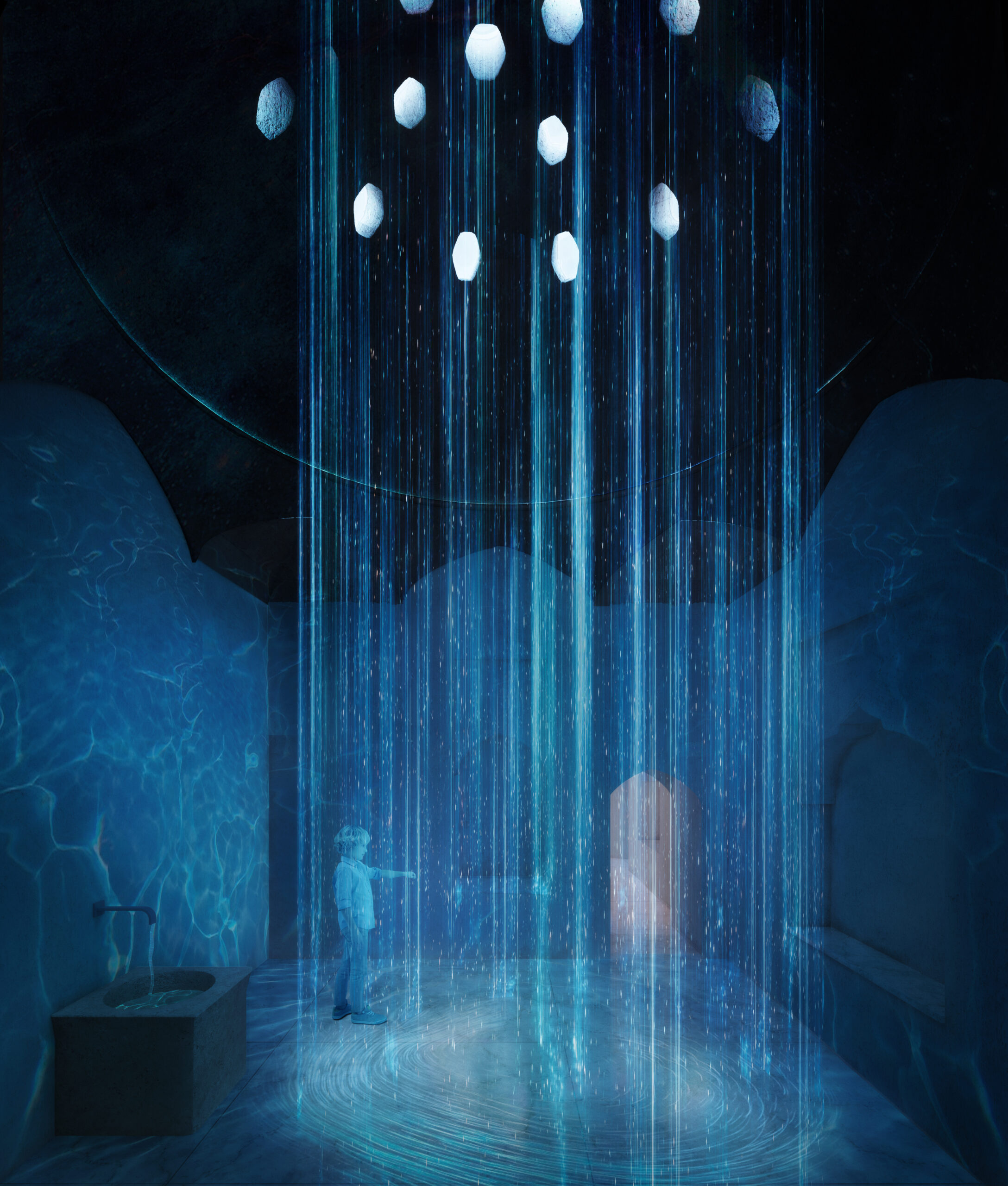
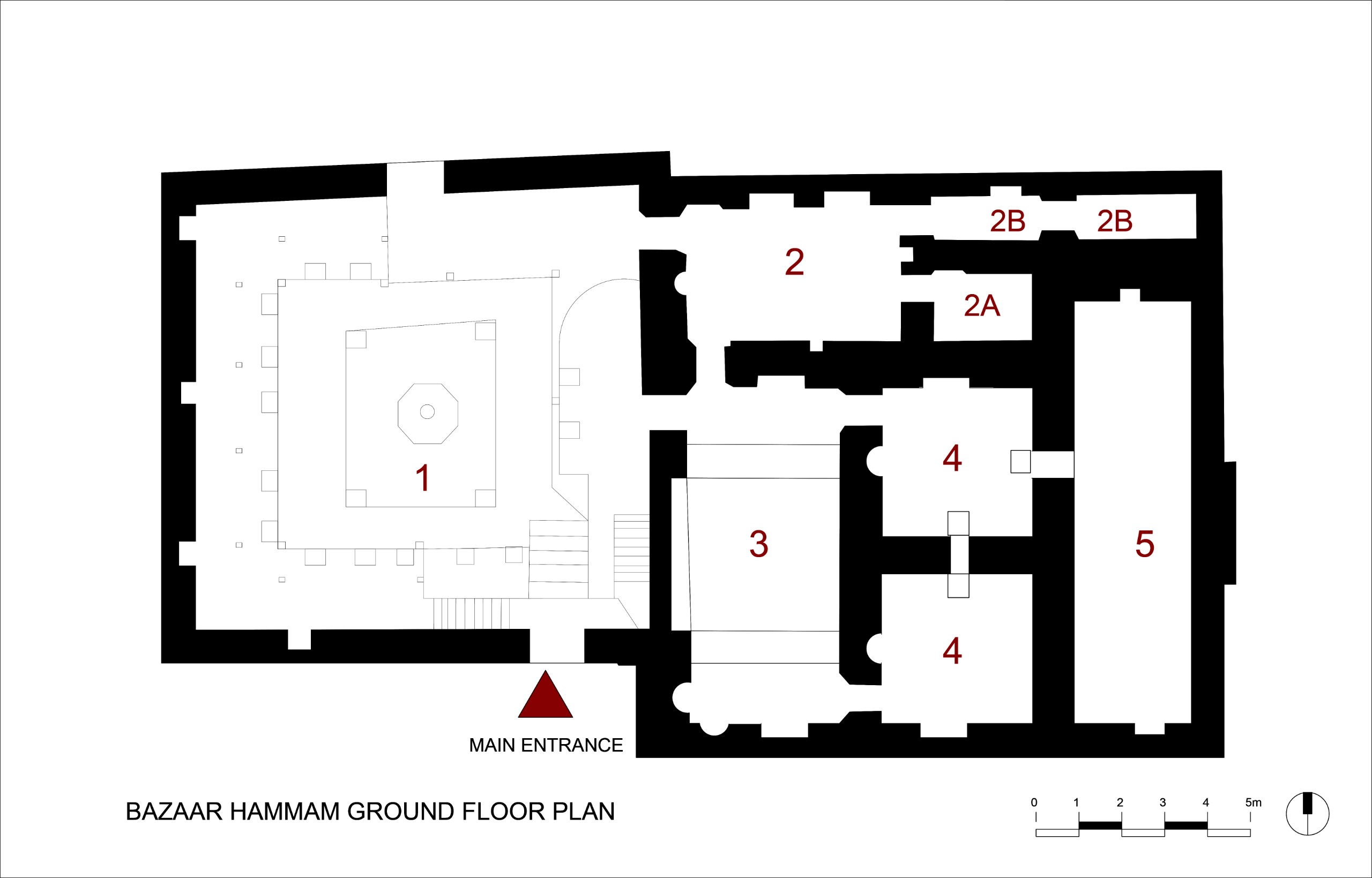
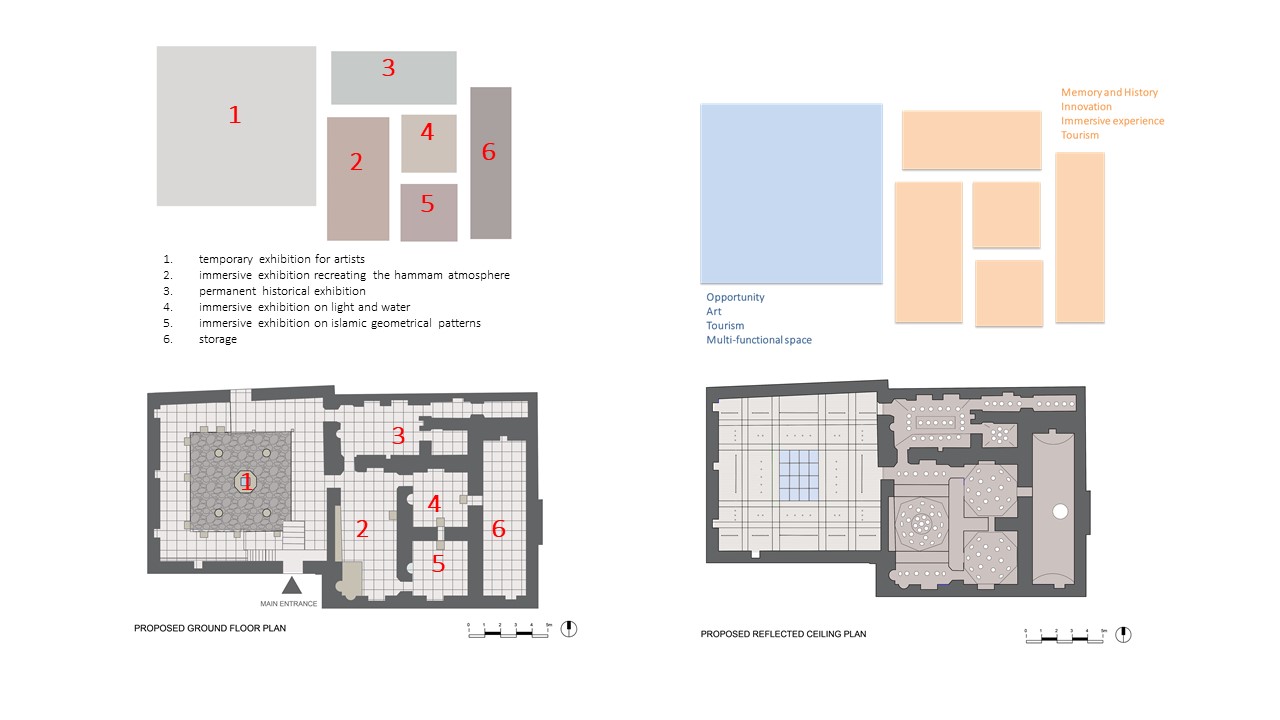
The proposal maintains the existing historical layout of the Hammam while introducing a new functional zoning that revitalizes each room with different uses. 1. Temporary Exhibition Gallery: the main hall is reimagined as an open two-story space with a central skylight. The preserved stone floor and circular basin act as memory elements, while the neutral backdrop provides a canvas for temporary exhibitions and performances. 2. Immersive Exhibition: the hot chambers become immersive galleries combining light, projection, and sound, inspired by Hammam atmosphere. 3. Permanent Historical Exhibition, showcasing Elbasan’s urban and cultural evolution. 4. Immersive Exhibition on light and water. 5. Immersive Exhibition on Islamic geometrical pattern. 6. Storage/Support Area.
The new spatial arrangement creates fluid circulation, leading the visitors from the external curiosity to the internal contemplation, mirroring the hammam’s traditional sequence of spaces while enriching it with artistic experiences.
The design integrates conservation principles with contemporary interventions, emphasizing atmosphere, authenticity, and sensory engagement.
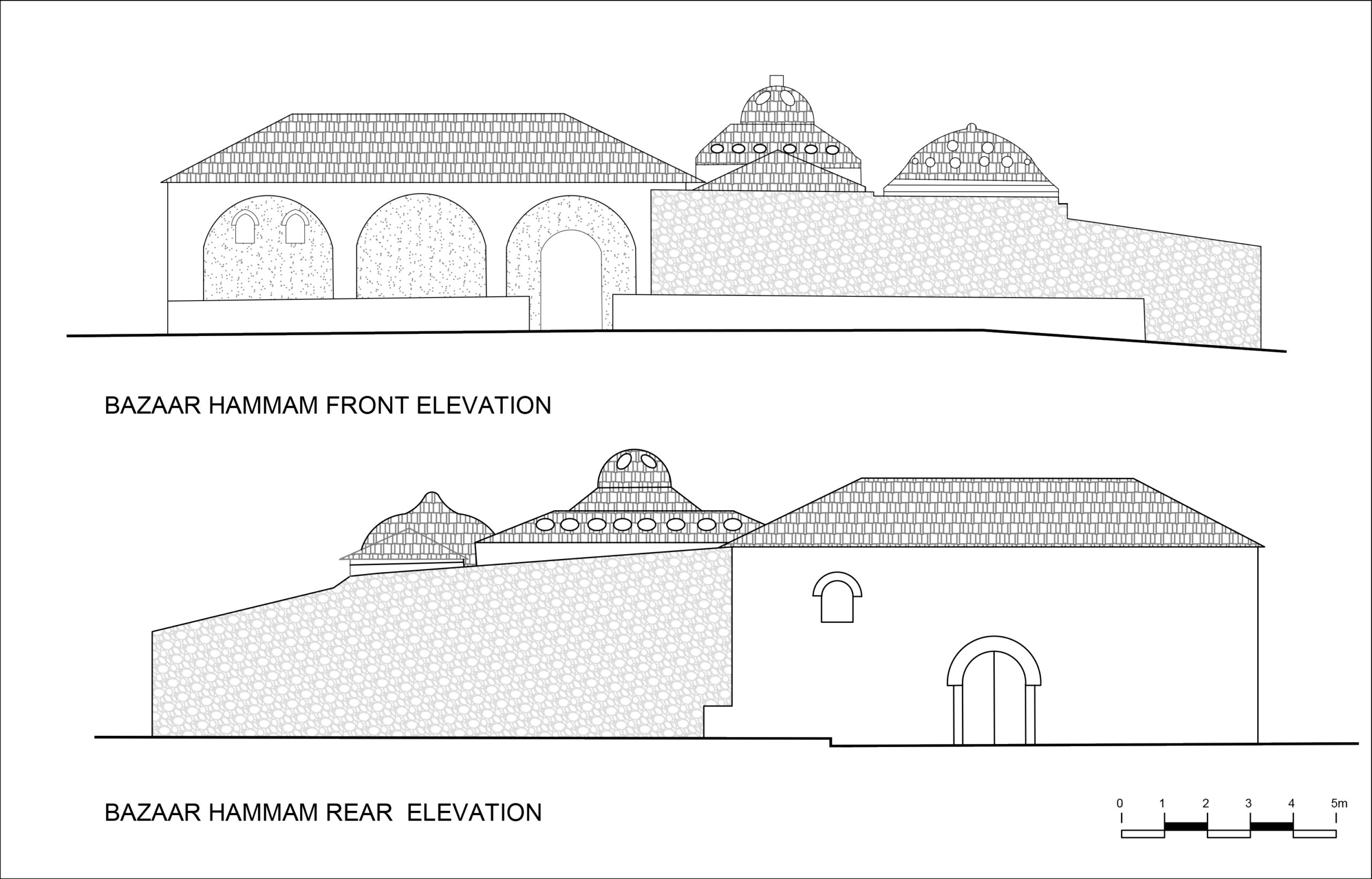
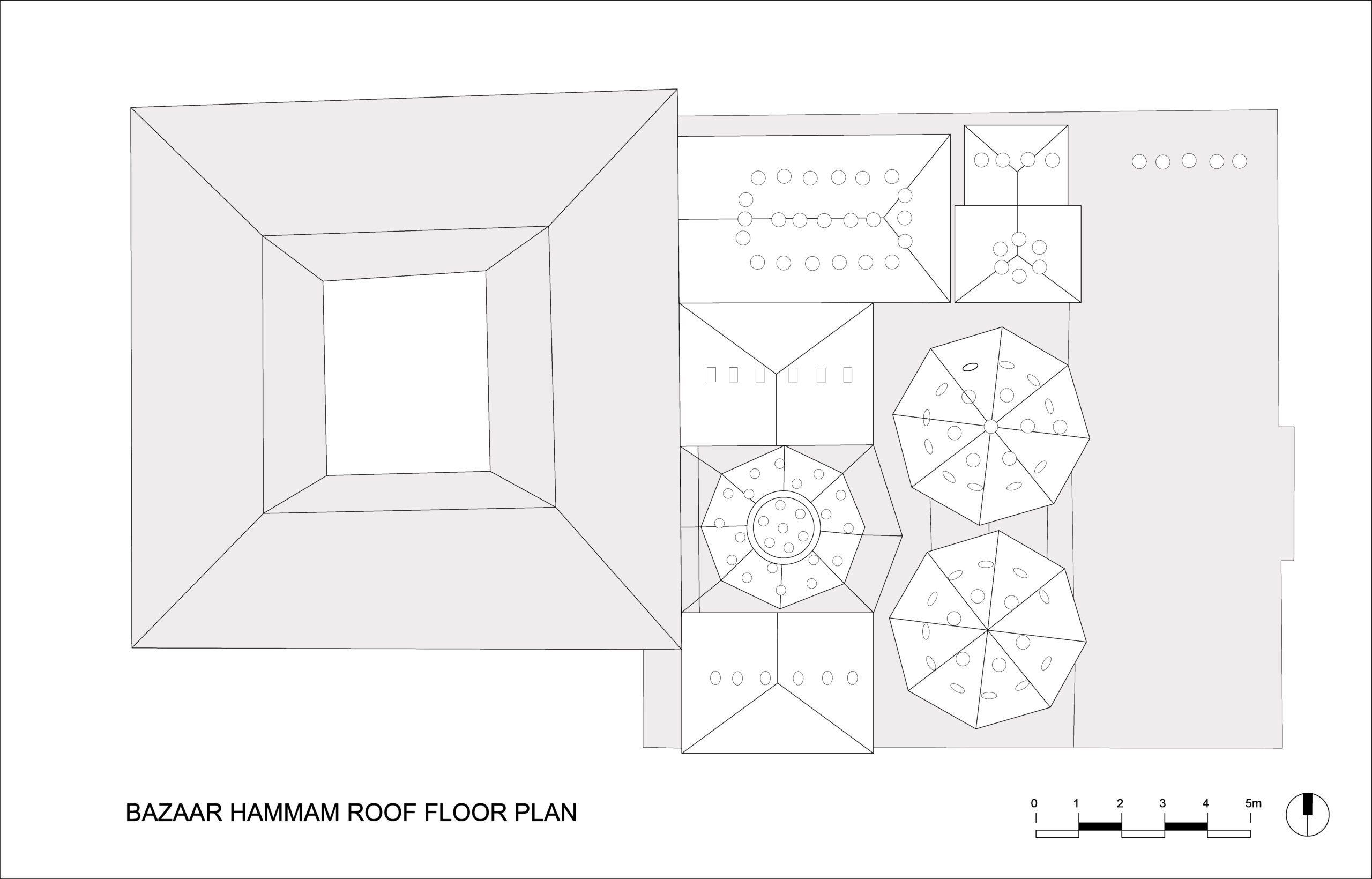
Historical elements: existing features such as domes, columns, water fountain, and water taps are preserved as key elements and trace of continuity in time.
Natural light: The new proposal introduces a skylight at the cold room area. Also preserved the filtered daylight passing through the geometry of domes, enhancing spiritual ambience.
Materials: original masonry, stone, and plaster are restored, while minimal additions are introduced, such as glass for the railings and painted timber for the existing structure creating a balanced dialogue between old and new.
Water and reflection: water fountain and water taps at small rooms as well as visuals of water on the wall evoke the purifying essence of the hammam ritual, adding movement and calmness.
Geometry and ornament: Several Islamic patterns are digitally reinterpreted through projection mapping and tactile surfaces, blending heritage with innovation.
In conclusion, it was proven that adaptive reuse can offer a sustainable and socially grounded approach to the design, preserve the past while renewing its relevance for today. Reinterpreting the Hammam through memory, function, and space demonstrates that heritage must be lived, not merely conserved.